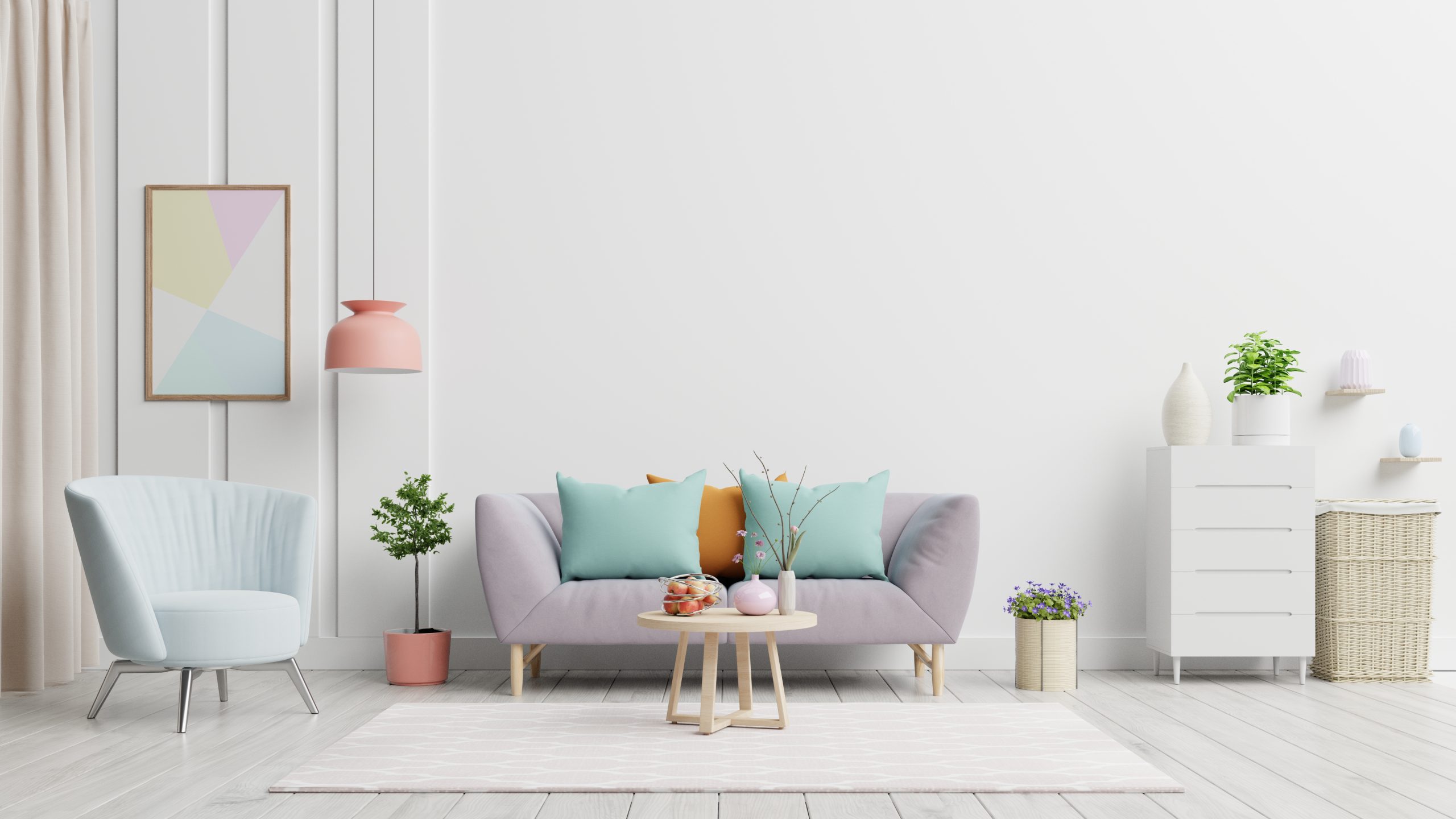
Our safe space is like a rainforest. Each area or room has its unique microclimate; the way to improve air quality in a draughty bedroom is very different from how to do so in a humid bathroom. At the same time, none of these rooms are hermetically sealed from each other. If something burns in the kitchen, air quality in the whole house is compromised.
Our home is a complex ecosystem; therefore, improving air quality here isn’t a one-and-done deal. You cannot just purchase once and be done with it. Transforming your indoor environment usually requires a few minor changes throughout your house. But with excellent suggestions floating around the internet, it’s a tall order to know where to start.
Should you get a house plant? Swap out your shower curtain? Invest in a fancy air filter? The best way to tackle indoor air quality is one room at a time. We put together this guide to help you understand the environment of each room in your house and make the right kind of changes for a healthier home ecosystem.



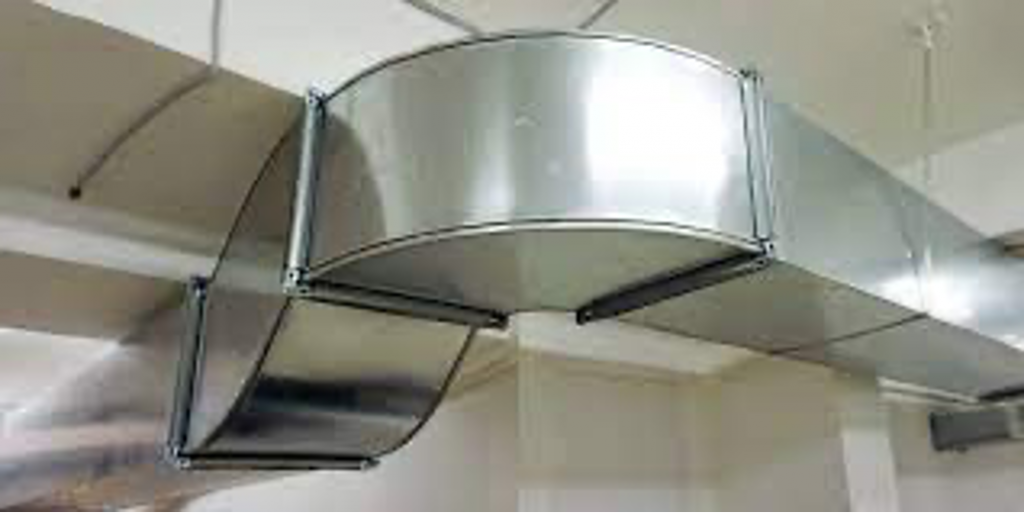
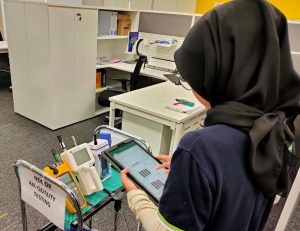

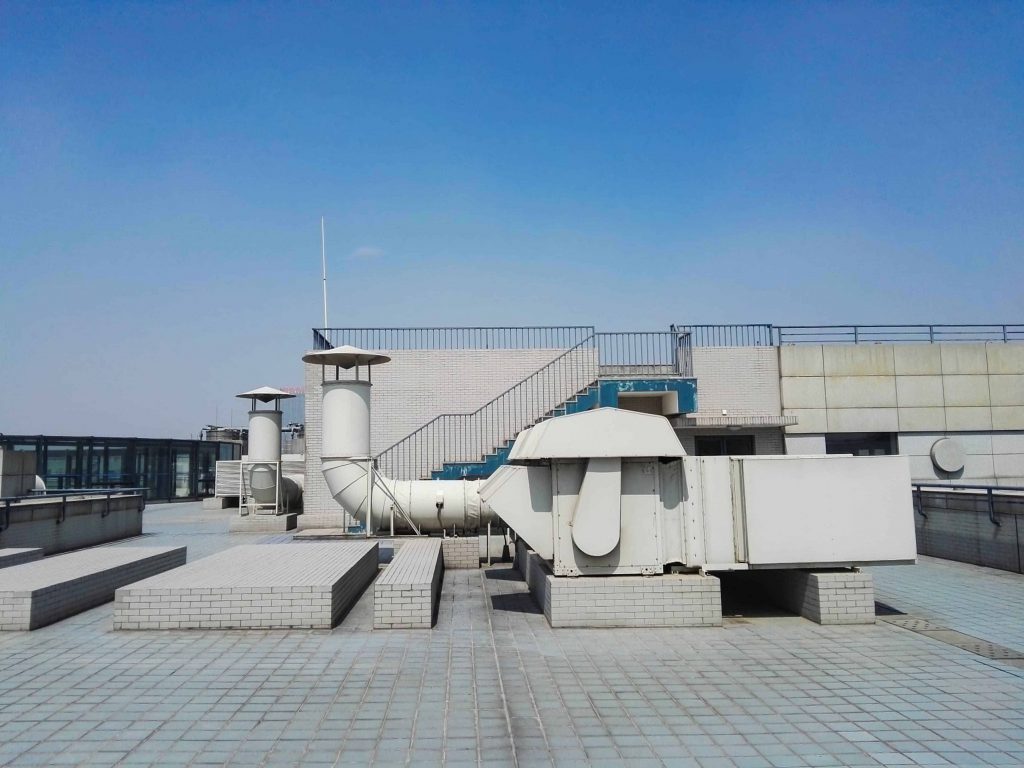
 After the government approved the PICKids vaccination programme for children aged 5 to 17, we felt more at peace about the safety of our children. We know that the advantages of immunisation exceed the dangers and adverse effects. Even if children contract the coronavirus, they are unlikely to suffer more severe symptoms than if they did not receive vaccinations. Every day children must arrive at school breathing clean air. With 20 pupils in one room, one can only imagine how polluted the air is in school buildings. Adequate ventilation is critical in the times of the pandemic as it will improve the air quality and enhance students’ productivity. Covid-19’s presence in the air is essential in protecting the health and well-being of the students and teachers.